Introduction to Earth Science
Beneath our feet lies a vast, dynamic realm, largely hidden from direct observation: the Earth's mantle. This colossal layer, constituting about 84% of our planet's volume, is a crucible of geological processes that drive everything from volcanic eruptions to continent-shaping earthquakes. For centuries, understanding its intricate workings has been a paramount challenge for scientists. Today, an ingenious technique known as seismic tomography is acting as a planetary CT scan, allowing us to peer into this enigmatic deep Earth, revealing astonishing features like 'subduction zone graveyards'—the ghostly remnants of ancient oceanic plates.

The Dynamic Dance of Plate Tectonics
Our planet's surface is not a solid, static shell, but a mosaic of colossal plates constantly in motion. This grand ballet, known as plate tectonics, orchestrates geological phenomena across the globe. Where these plates collide, one often dives beneath the other in a process called subduction. Subduction zones are Earth's recycling centers, where oceanic crust is dragged back into the mantle, fueling volcanism, mountain building, and some of the most powerful earthquakes.
For a long time, the ultimate fate of these subducted slabs remained a mystery. Do they simply melt away quickly? Or do they persist, sinking deeper into the mantle, leaving a lasting imprint on Earth's interior dynamics? The answers to these questions are crucial for understanding mantle convection—the slow, churning circulation of the mantle that ultimately drives plate tectonics itself.
Seismic Tomography: Earth's Internal CT Scan
Enter seismic tomography, a revolutionary technique that has transformed our ability to image the Earth's interior. Much like medical CT scans use X-rays to visualize internal body structures, seismic tomography utilizes seismic waves—the vibrations generated by earthquakes—to construct three-dimensional maps of variations in rock properties deep within the Earth.
How it Works: Decoding Seismic Signals
When an earthquake occurs, it sends out seismic waves (P-waves and S-waves) that travel through the Earth. The speed at which these waves propagate is influenced by the temperature, composition, and phase of the rocks they pass through. For instance, colder, denser rock tends to transmit seismic waves faster, while hotter, less dense rock slows them down.
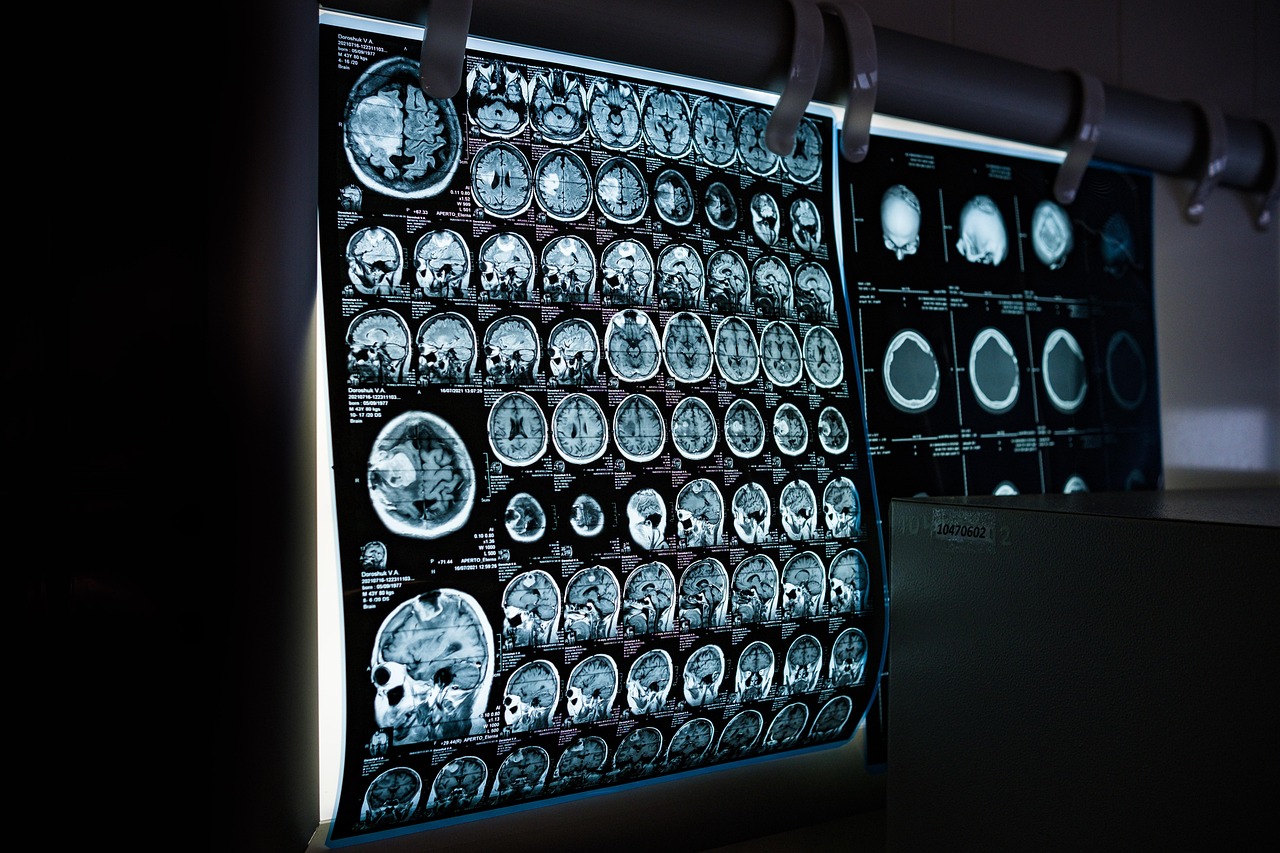
Seismometers strategically placed around the globe record these waves. By analyzing the travel times of countless seismic waves from thousands of earthquakes, scientists can create intricate models. If waves arrive at a detector earlier than expected, they've likely passed through a fast (cold, dense) region. If they arrive late, they've passed through a slow (hot, less dense) region. These subtle differences, aggregated through sophisticated algorithms, allow scientists to 'map' the internal structure of the mantle, much like a doctor interprets a scan to see anomalies within a patient's body.
Revealing Subduction Zone Graveyards
Through seismic tomography, researchers have begun to discover astonishing structures deep within the mantle. In many subduction zones, particularly beneath the western Pacific, North and South America, and parts of Eurasia, the seismic images reveal extensive, anomalous regions where seismic waves travel unusually fast. These 'fast' regions extend hundreds to thousands of kilometers deep, far below the typical depths of shallow subduction.
These fast anomalies are interpreted as the cold, dense remnants of ancient oceanic plates that have subducted over millions of years. Instead of being rapidly assimilated, these slabs appear to sink, accumulating in vast 'graveyards' within the lower mantle, sometimes even accumulating at the core-mantle boundary. These discoveries provide compelling evidence that subducted material can persist and descend to immense depths, influencing the entire mantle system.
The Fate of Subducted Slabs
The images from seismic tomography paint a complex picture of slab fate:

- Stagnant Slabs: In some regions, slabs appear to hit a barrier around 660 km deep (the boundary between the upper and lower mantle) and spread out horizontally before eventually descending.
- Direct Penetration: Other slabs plunge directly into the lower mantle, sometimes reaching nearly to the core.
- Detached Slabs: Evidence also suggests that parts of slabs can break off and continue their descent independently.
These variations are critical for understanding the global pattern of mantle convection and how heat is transferred from the Earth's core to its surface.
Implications for Earth Sciences
The unearthing of subduction zone graveyards through seismic tomography has profound implications for a wide array of Earth science disciplines:
- Mantle Convection: These findings provide direct observational evidence for the deep return flow of material in the mantle, crucial for validating and refining models of mantle convection.
- Plate Tectonics: They offer insights into the long-term history of plate movements and the rates at which oceanic crust has been recycled over geological timescales.
- Volcanism and Geohazards: The interaction of deeply subducted slabs with hotter mantle material can influence the location and chemistry of surface volcanism and potentially affect stress regimes that trigger earthquakes.
- Earth's Thermal Evolution: Understanding where and how cold material descends helps scientists model the Earth's overall cooling history and the evolution of its interior over billions of years.
Conclusion
Seismic tomography has opened an unprecedented window into the Earth's otherwise inscrutable interior. By mapping the cold, dense graveyards of ancient subducted plates, this technology is not just satisfying scientific curiosity; it is fundamentally reshaping our understanding of planetary dynamics. These buried secrets, once mere theoretical constructs, are now visible realities, allowing us to piece together the grand, slow-motion epic of Earth's evolution and continue to unravel the enduring mysteries of our dynamic planet.