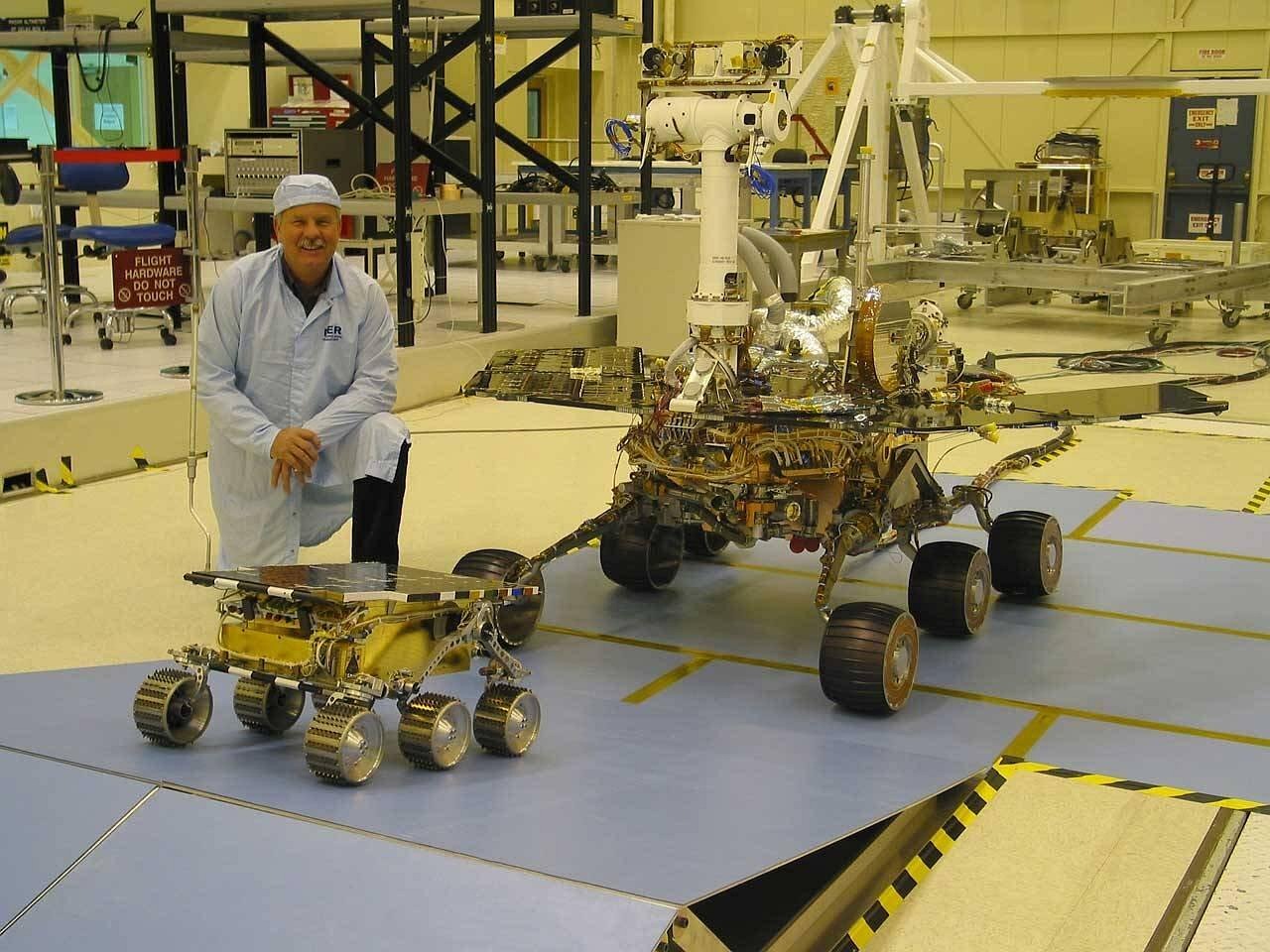
Since its touchdown on Mars in February 2021, NASA’s Perseverance rover has been on a meticulous quest to explore the Red Planet’s geology, climate history, and potential signs of past life. Central to this mission is Perseverance’s innovative approach to collecting and caching rock samples—a strategy designed to preserve the most promising evidence for future analysis on Earth.
Overview
The Perseverance rover, humanity’s most advanced robotic explorer currently operating on Mars, has undertaken a groundbreaking initiative: collecting and caching rock samples for future return to Earth. This strategy isn’t merely about geological curiosity—it is a deliberate effort to detect and understand biosignatures and the potential for past life on Mars. This article delves into the scientific rationale, technological implementations, and profound implications of the rover’s sampling strategy, offering a comprehensive perspective on how this endeavor advances our quest for extraterrestrial life and expands planetary science.
Principles & Laws
Planetary Protection and Sample Integrity
Fundamental to Mars sample collection is adherence to planetary protection protocols, which aim to prevent biological contamination both of Mars and Earth. These protocols are rooted in international treaties such as the Outer Space Treaty and the Committee on Space Research (COSPAR) guidelines, emphasizing cleanliness, sterilization, and contamination control. Ensuring the integrity of the samples from collection to eventual analysis preserves their scientific value, especially when seeking biosignatures that might be faint, microscopic, or disrupted.
Geological Context and Stratigraphy
Understanding the stratigraphic context via geochronology and sedimentology laws underpins sampling strategies. The Law of Superposition indicates that lower layers are generally older, guiding the rover to pursue a stratigraphy-aware approach. Recognizing mineralogical and sedimentary features helps identify areas where biosignatures could be preserved, such as in clay-rich deposits or evaporite minerals, which are excellent at conserving organic matter.
Sampling Principles & Target Selection
Key principles include selectivity—choosing samples that best preserve biosignatures—for example, fine-grained, clay-rich rocks, and avoiding altered or heavily weathered samples. Technological constraints, including drill size, sample volume, and contamination risk management, influence these priorities. The rover’s AI and machine learning systems assist in pre-selecting promising targets based on remote sensing data, ensuring efficient and scientifically robust sampling efforts.
Methods & Experiments
Sampling Techniques and Hardware
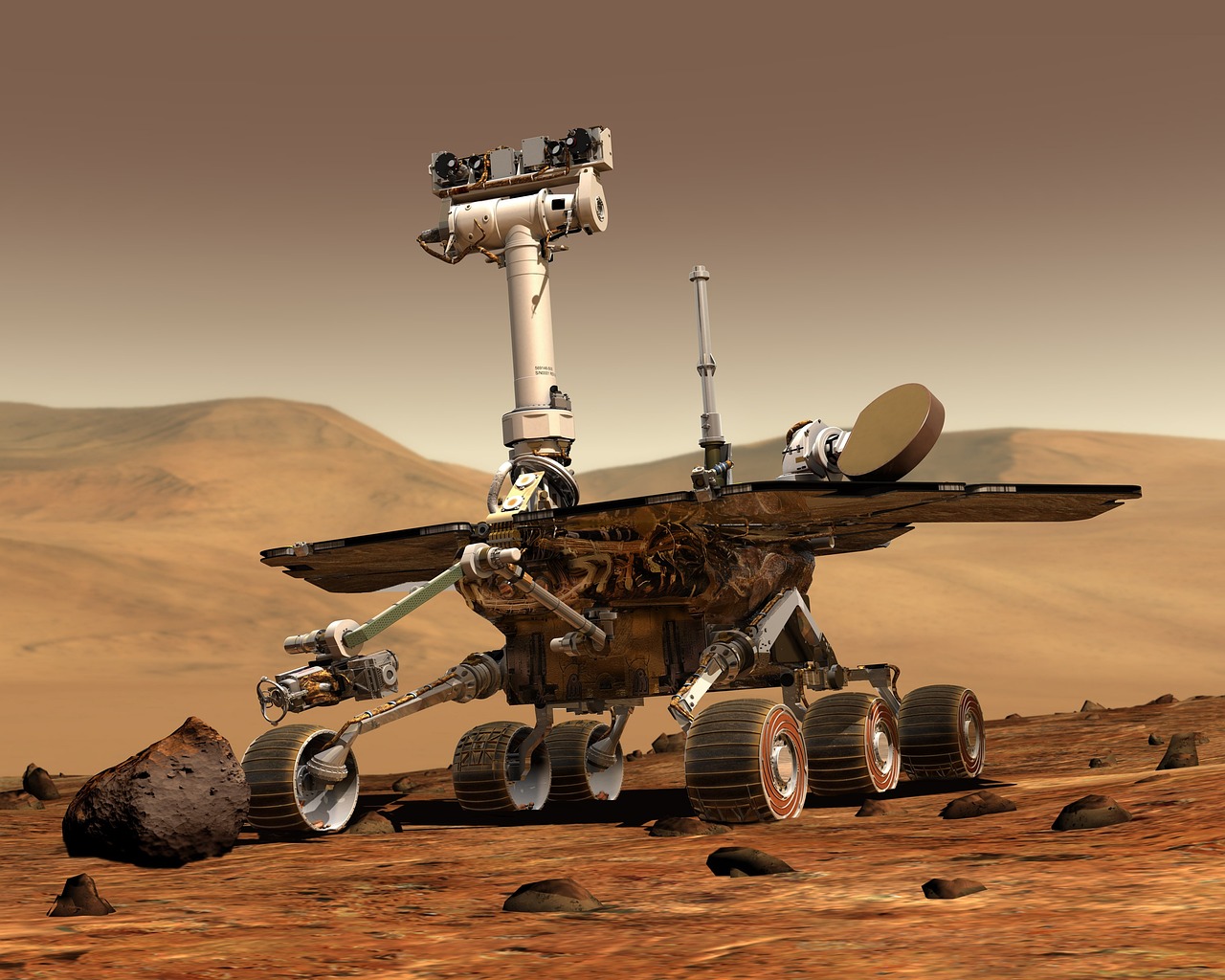
Perseverance employs a rotary-percussive drill integrated into its chassis, capable of extracting core samples up to 6.5 centimeters in diameter and 15 centimeters in length. The drill’s design ensures minimal contamination and allows for precise subsurface sampling. Samples are collected into sterile, sealed tubes, a critical aspect to prevent contamination from the rover's environment or Earth-derived materials.
In Situ Analysis Instruments
Before caching, samples undergo extensive in situ examination through instruments such as SHERLOC (Scanning Habitable Environments with Raman & Luminescence for Organics & Chemicals) and PIXL (Planetary Instrument for X-ray Lithochemistry). These tools identify mineralogy, detect organics, and evaluate the depositional environment, guiding future sampling priorities. The rover also performs tactile spectral analyses and imaging to contextualize each sample’s geology.
Sample Caching and Preservation Strategy
The core samples are deposited into uniquely labeled tubes and stored in a dedicated cache system on the rover. The caching process involves sealing the samples within hermetically sealed containers, ensuring sterility and stability during transit back to Earth. This “sample cache” serves as a geological library, providing future scientists with well-preserved specimens for detailed laboratory investigation.
Data & Results
Geological and Mineralogical Findings
The initial set of samples reveals diverse geological features, including clay minerals, sulfates, and volcanic ash deposits, indicative of varied depositional environments. Certain samples show mineral assemblages that suggest ancient aqueous activity, with pH conditions potentially favorable for microbial life.
Biosignature Detection and Implications
Remote sensing and in situ analyses have identified organic molecules and mineral matrices capable of trapping biosignatures, though definitive evidence remains elusive. These findings ignite hypotheses about Mars’s habitable past, prompting further examination of the cached samples upon future return to Earth.
Correlations with Martian Climate and Geodynamics
By integrating data from orbiters and in situ instruments, scientists correlate sample mineralogy with regional and global geological processes, including volcanic activity, sedimentation, and groundwater movement. This comprehensive understanding informs models of Mars's climate history and potential windows for habitability.
Applications & Innovations
Technological Advances in Sample Handling
The development of contamination-free drilling and sample storage techniques advances planetary exploration hardware. Modular sample caching systems pave the way for future missions, improving efficiency, sample integrity, and safety in extraterrestrial environments.
Astrobiological Methodologies
Innovations in non-destructive in situ analysis, coupled with sample return strategies, enhance the detection of biosignatures. The integration of AI-driven target selection and autonomous decision-making accelerates exploration timelines, reducing reliance on Earth-based command delays.
Data Integration and Machine Learning
Machine learning algorithms analyze vast datasets collected from remote sensing and in situ instruments, refining target prioritization and interpreting complex geochemical signals. This paradigm shift improves the accuracy and scope of life detection efforts.
Key Figures
- Dr. Jennifer Eigenbrode: Lead scientist for Premier organic detection efforts.
- Adam Steltzner: ESA engineer pivotal in designing the drill mechanism and sample caching system.
- NASA’s Mars Science Laboratory Team: Oversaw the broader strategic planning for sample selection and mission execution.
Ethical & Societal Impact
The endeavors to explore Mars’s geology and search for life raise profound questions about planetary protection, the potential for contamination, and humanity’s ethical responsibilities. Carefully managing these aspects ensures that the scientific pursuit respects the integrity of extraterrestrial environments and bears broader implications for space law and future colonization efforts.
Current Challenges
- Ensuring sample integrity amidst Martian environmental factors like dust, radiation, and temperature fluctuations.
- Developing reliable, autonomous systems for target selection without human intervention, given communication delays.
- Contamination control, both forward (Earth to Mars) and backward (Mars to Earth), remains a persistent concern central to planetary protection policies.
- Remote interpretation of complex geochemical data is often limited by in-situ instrument capabilities.
Future Directions
Upcoming missions aim to bring back the cached samples using sample retrieval landing systems, possibly involving robotic fetchers and dedicated Earth-return modules. Future technologies will further refine autonomous sampling, enhance biosignature detection sensitivity, and expand the scope of astrobiological investigations. The ongoing integration of AI, machine learning, and advanced analytical instruments will accelerate our understanding of Mars’s habitability history and inform planetary protection protocols for future crewed missions.
Conclusion
The Perseverance rover’s strategic approach to rock sampling and caching embodies a confluence of cutting-edge science, innovative engineering, and careful ethical considerations. Its efforts not only provide a snapshot of Mars’s geologic past but also lay foundational groundwork for detecting life beyond Earth. As these samples journey back to scientists on Earth, they hold the potential to revolutionize our understanding of planetary habitability, astrobiology, and the future of space exploration—marking a pivotal chapter in humanity’s quest to answer the age-old question: Are we alone?