Introduction to Technology
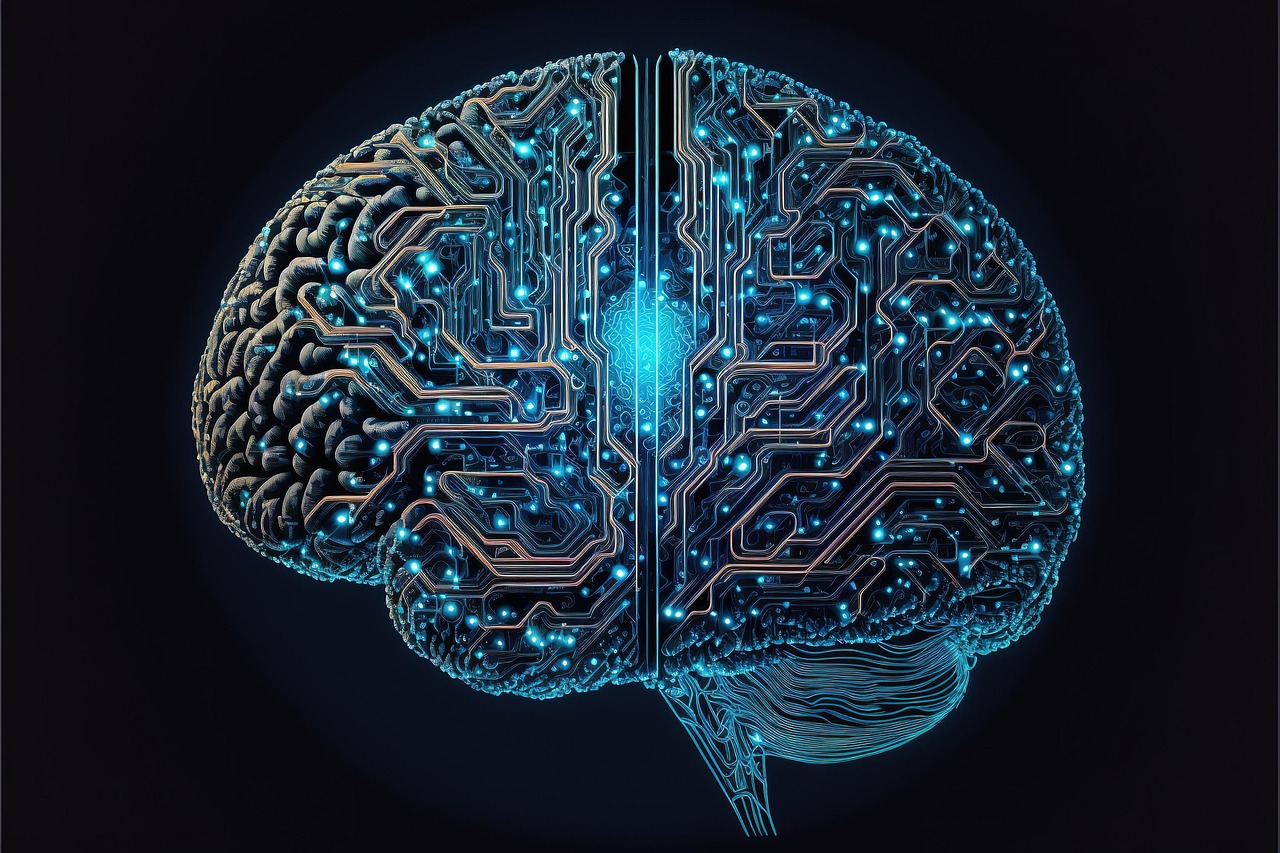
In the vast, intricate network of the human brain, thoughts ignite as fleeting electrical impulses, a silent symphony orchestrated by billions of neurons. For most, this symphony seamlessly translates into action – a spoken word, a grasped object, a step forward. But for millions battling paralysis, neurodegenerative diseases, or other neurological impairments, the connection between thought and action is tragically severed. Enter Neuralink, Elon Musk's ambitious neurotechnology venture, which is now making groundbreaking strides in decoding these motor cortex signals with what they claim is unprecedented precision, heralding a new era of brain-computer interfaces (BCIs).

The Brain's Electrical Orchestra: A Complex Challenge
The motor cortex, a region of the cerebral cortex, plays a pivotal role in planning, controlling, and executing voluntary movements. Its neurons fire in intricate patterns, creating the 'silent symphony' that dictates our physical interactions with the world. For decades, scientists have dreamt of tapping into this neural orchestra, interpreting its melodies to restore function or enhance capabilities. The challenge, however, has always been immense: how to reliably and precisely record these microscopic electrical signals from thousands of neurons simultaneously, filter out noise, and translate them into meaningful commands in real-time.
Early BCIs, while revolutionary in concept, often relied on relatively few electrodes or less invasive techniques, leading to limited bandwidth and precision. Imagine trying to understand a complex orchestral piece by listening to just a handful of instruments through a muffled speaker. The essence might be there, but the nuances, the precise timing, and the full richness of the performance are lost.
Neuralink's Innovative Approach: The N1 Implant
Neuralink’s distinguishing factor lies in its audacious engineering and high-density electrode arrays. Their N1 implant, a coin-sized device, is surgically embedded into the skull, with ultrathin, flexible 'threads' – each thinner than a human hair – delicately inserted into the brain's surface, particularly targeting the motor cortex. Each thread contains multiple electrodes, meaning a single N1 implant can boast thousands of independent electrode channels, a significant leap from previous BCI technologies.
This unprecedented number of channels allows Neuralink to 'listen' to a much larger and more diverse section of the motor cortex. More data points mean a richer understanding of the neural patterns associated with specific intended movements. Proprietary algorithms then process this massive influx of raw neural data, identifying the subtle but distinct electrical signatures that correspond to a user's desire to move a limb, control a cursor, or even type a sentence.
Unprecedented Precision: Decoding Intent with Clarity
The precision Neuralink aims for, and has demonstrated in preliminary human trials (like the case of Noland Arbaugh playing chess and Mario Kart using his mind), is transformative. By capturing signals from so many individual neurons, the system can distinguish between extremely subtle variations in neural activity. This allows for:

- Finer Motor Control: Instead of crude directional commands, users can potentially achieve nuanced control over prosthetic limbs, allowing for delicate manipulations previously impossible.
- Higher Data Throughput: The sheer volume of data means more complex commands can be issued more rapidly, significantly improving the speed and fluidity of interaction.
- Robust Signal Interpretation: With multiple points of contact, the system is less susceptible to signal degradation or noise from individual electrodes, leading to more reliable performance over time.
It's akin to moving from a crude sketch to a high-definition photograph of the brain's activity, allowing for a much clearer interpretation of the user's intent.
Beyond the Horizon: Applications and Ethical Implications
The immediate and profound implications of Neuralink's advancements are primarily therapeutic. For individuals with complete paralysis, locked-in syndrome, or severe neurodegenerative conditions, the ability to control computers, communicate, or even move robotic prosthetics purely by thought offers a profound restoration of autonomy and quality of life. Imagine a person with ALS effortlessly navigating a tablet, or a quadriplegic regaining the ability to 'type' at rapid speeds using only their mind.
Looking further ahead, the potential applications extend into human augmentation, memory enhancement, and even direct brain-to-brain communication – concepts that currently reside in the realm of science fiction but are slowly being nudged closer to reality by technologies like Neuralink. However, these futuristic visions also come with significant ethical considerations regarding privacy, autonomy, potential misuse, and equitable access, demanding careful societal deliberation as the technology progresses.
The Future of Mind-Machine Integration
Neuralink's 'silent symphony' of decoding motor cortex signals with unprecedented precision is not merely a technological feat; it's a profound step towards bridging the fundamental gap between human thought and digital interaction. While challenges remain – from the long-term safety and stability of implants to the complex algorithms required for robust decoding – the trajectory is clear. As we continue to unravel the brain's mysteries and refine our tools for interfacing with it, the boundaries of what is possible for individuals with neurological conditions, and indeed for humanity itself, are being redefined, one precisely decoded thought at a time.