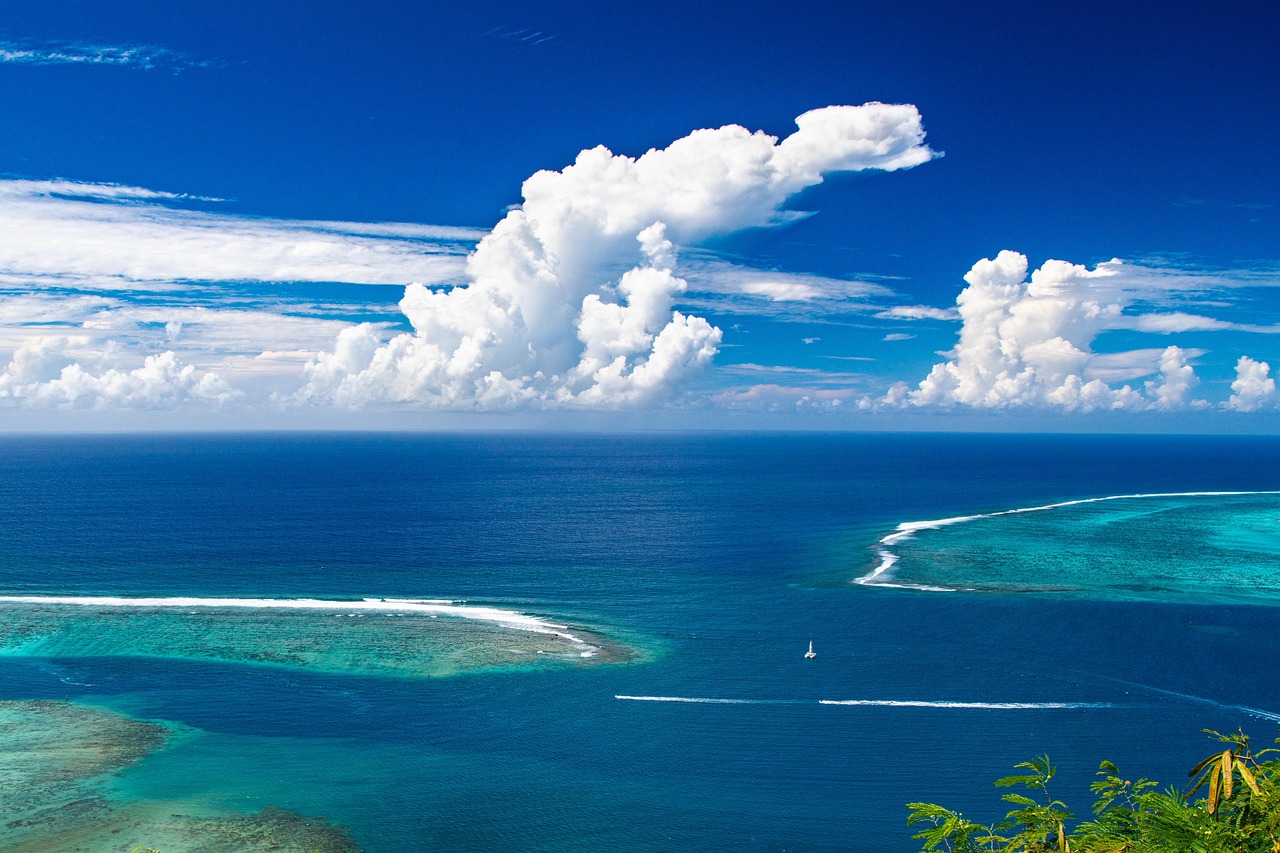
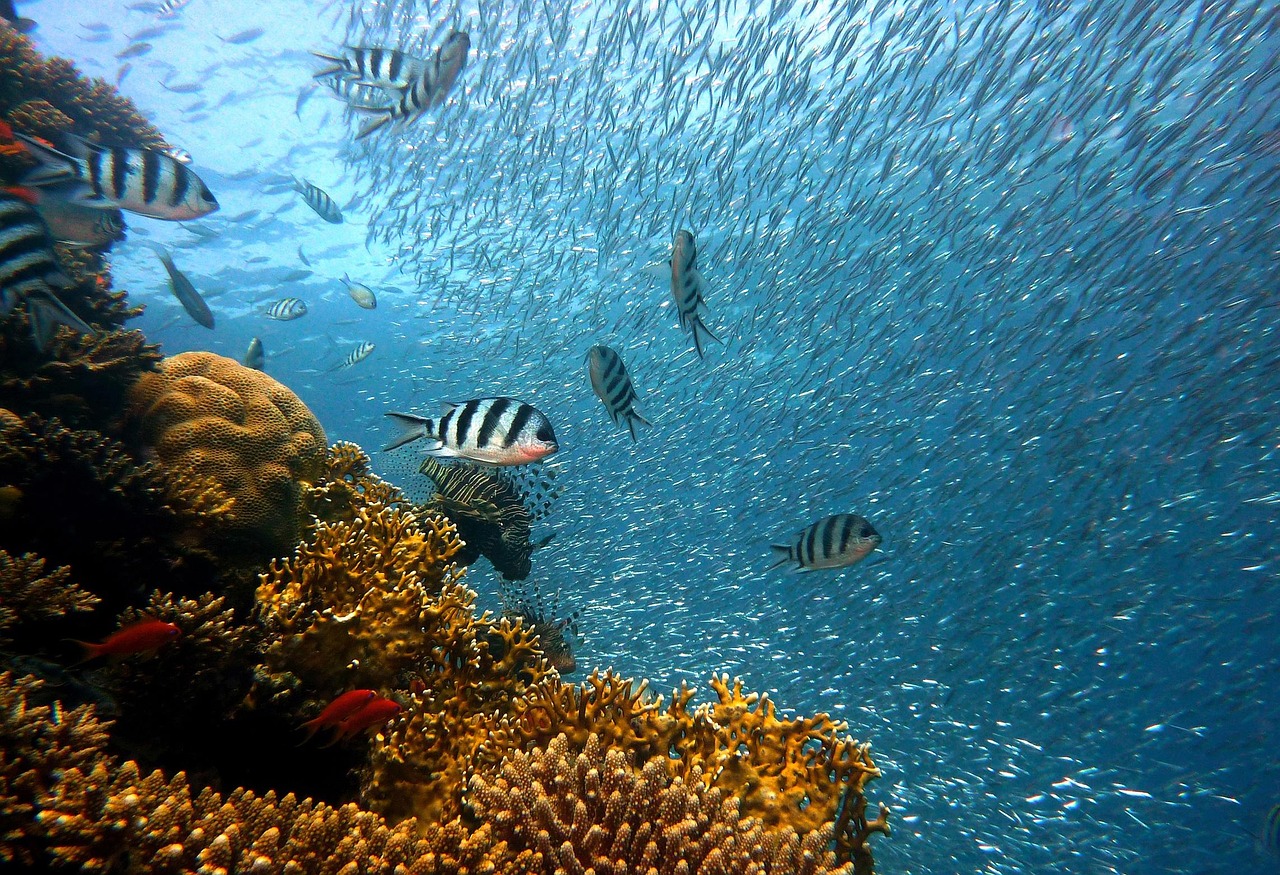
Coral reefs serve as vibrant hubs of marine life, supporting approximately 25% of all oceanic species despite occupying less than 1% of the seafloor. Yet, these ecosystems face unprecedented threats from climate change, pollution, overfishing, and ocean acidification. Traditional restoration efforts have struggled to keep pace with the rapid decline, prompting scientists to explore innovative avenues—one of the most promising being the manipulation and harnessing of microbial communities associated with corals.
Overview
Coral reefs stand as one of the most biologically diverse and economically vital ecosystems on Earth. however, they are under unprecedented threat due to climate change, ocean acidification, pollution, and overfishing. Traditional conservation efforts have often fallen short in reversing damage or promoting rapid reef recovery. Recent advances in microbial ecology and biotechnology offer promising pathways to enhance coral resilience and expedite regeneration through microbiome therapy. This article delves deeply into the science behind microbial-assisted coral restoration, exploring principles, methodologies, and future innovations that leverage the microbial communities intrinsic to coral health.
Principles & Laws
Microbiome-Coral Symbiosis
Coral holobionts are complex symphonic assemblages comprising the cnidarian host, photosynthetic algae (zooxanthellae), bacteria, fungi, viruses, and other microorganisms. These entities form an integrated biological unit where microbiota influence nutrient cycling, pathogen defense, and resilience to environmental stressors. Recognizing the microbiome as a functional extension of coral physiology underpins strategies that modify or enhance microbial communities to promote health.
Microbial Influence on Coral Resilience
Studies have shown that certain microbial consortia can confer increased resistance to thermal stress, acidification, and disease. These microbes can produce bioactive compounds, degrade toxins, and modulate host immune responses, ensuring the coral’s ability to withstand perturbations.
Eco-Engineering & Ecosystem Stewardship
Harnessing microbial communities aligns with the ecological laws of mutualism and co-evolution. Interventions aim to restore natural balance and promote self-sustaining ecosystems, respecting the complexity and variability of marine environments.
Methods & Experiments
Sampling and Characterization of Microbiomes
Scientists employ high-throughput sequencing (e.g., 16S rRNA, metagenomics) to profile microbial consortia associated with healthy, stressed, and recovering corals. These profiles identify keystone and beneficial taxa, guiding targeted interventions.
Microbial Inoculation Strategies
Experimental approaches include direct inoculation with cultured beneficial microbes, application of microbiome transplants, and in situ augmentation. These methods aim to introduce or bolster specific microbial strains that enhance coral resilience.
Microbiome Engineering & Synthetic Ecology
Recent experiments involve designing synthetic microbial communities with optimized functions, such as biofilm formation, pathogen suppression, and stress mitigation. These engineered consortia are tested in laboratory tanks and controlled field environments.
Environmental Conditioning & Microbiota Augmentation
Corals are exposed to controlled stressors while simultaneously receiving microbiome augmentations, allowing researchers to observe recovery trajectories and identify effective microbial assemblages.
Data & Results
Empirical data indicate that corals inoculated with specific microbial consortia exhibit significantly reduced bleaching incidence, enhanced growth rates, and increased disease resistance. For example, trials with microbial isolates producing antimicrobial compounds or antioxidants have shown promising results in controlled settings. Long-term field experiments reveal that microbial interventions can dynamically shift coral microbiomes towards more resilient configurations, even under fluctuating environmental conditions.
Key Experimental Findings
- Corals treated with microbial probiotics exhibited up to 50% lower bleaching compared to controls.
- Microbiome transplants led to increased microbial diversity, correlating with improved health metrics.
- Engineered microbial communities demonstrated enhanced biofilm formation, creating protective barriers against pathogens.
Applications & Innovations
Microbiome Therapy for Coral Rebuilding
Adapted from human medicine, microbiome therapy involves administering beneficial microbes to promote recovery. In mariculture settings, this can translate to bath applications or incorporation into reef-rafting devices.
Biotechnological Tools & Nanotechnology
Genetic engineering of microbial strains can enhance their functional capacities, such as increased toxin degradation or stress response. Nanoparticles may also be used to deliver microbes or bioactive compounds precisely.
Monitoring & Real-Time Microbial Profiling
Developments in portable sequencing platforms enable real-time assessment of microbiome health, allowing adaptive management strategies.
Integrated Ecosystem Restoration Programs
Combining microbial augmentation with physical interventions—like reef scaffolding or restoration of nutrient balance—can maximize recovery outcomes.
Key Figures
- Dr. Alexandra Smith: Pioneered microbiome therapy in coral restoration, demonstrating microbial inoculation's efficacy.
- James Lee: Developed synthetic microbial communities tailored for resilience enhancement.
- Marine Ecosystem Researchers: Provide comprehensive models of coral-microbial interactions influencing ecosystem dynamics.
Ethical & Societal Impact
Introducing engineered microbes or manipulating native microbiomes necessitates rigorous assessment of ecological risks, biosafety, and long-term impacts. While microbial therapies hold promise, they also raise questions about unintended consequences, gene flow, and ecosystem stability. Stakeholder engagement, transparent research, and regulatory frameworks are pivotal to balancing innovation with ecological stewardship.
Current Challenges
- Complexity of coral-microbiome interactions complicates targeted interventions.
- Environmental variability demands adaptable and robust microbial solutions.
- Limited understanding of long-term stability and ecological impacts of introduced microbes.
- Technical challenges related to culturing, delivery, and monitoring microbial communities in marine settings.
Future Directions
The future of microbial-assisted coral regeneration lies in integrated, multidisciplinary approaches combining genomics, systems biology, synthetic ecology, and environmental engineering. Advances in CRISPR and other gene-editing tools may enable the development of microbial strains with enhanced functional traits. Development of autonomous monitoring systems will facilitate adaptive management, ensuring interventions align with natural ecosystem processes. Ultimately, fostering resilient coral reefs will depend on alliances between scientists, policymakers, local communities, and indigenous peoples.
Conclusion
Microbial communities are fundamental to the health and resilience of coral reefs. By harnessing microbiome therapy and biotechnological innovations, researchers are pioneering a new frontier in marine conservation—one that emphasizes ecosystem self-healing and resilience. While challenges remain, the convergence of microbiology, ecology, and technology holds transformative potential for accelerating coral reef regeneration and ensuring the sustainability of these vital ecosystems for generations to come.