
Introduction to Biology
The human brain, an intricate tapestry of billions of neurons and trillions of connections, remains one of the greatest scientific frontiers. For decades, its complexity has defied comprehensive understanding and effective treatment for a host of devastating neurological and psychiatric disorders. But a revolutionary tool, CRISPR-Cas9, is now turning its precise gaze towards this formidable challenge, promising the ability to rewrite the very genetic code that orchestrates brain function and dysfunction.
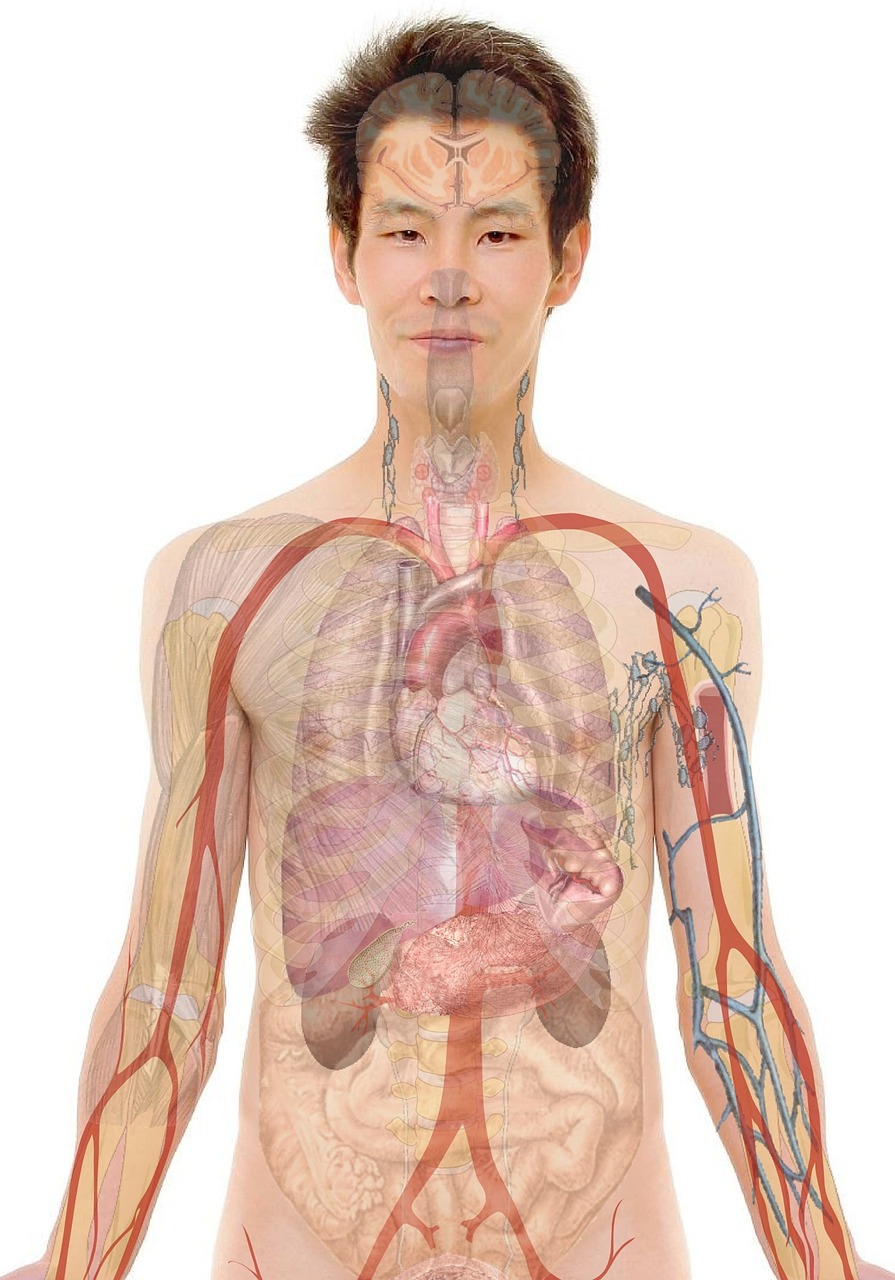
The Promise of Precision Editing in the Brain
CRISPR-Cas9 (Clustered Regularly Interspaced Short Palindromic Repeats) has transformed biological research by offering an unprecedented level of precision in gene editing. Its ability to accurately cut and modify DNA sequences has opened doors to correcting genetic mutations that underlie various diseases. Applying this technology to the brain, however, is a monumental leap, offering the potential to correct specific disease-causing genes directly within neural cells.
Imagine a future where a genetic predisposition to Alzheimer's or Huntington's disease could be neutralized before symptoms even emerge, or where the genetic drivers of epilepsy or severe depression could be quieted. This is the audacious promise of brain-focused CRISPR therapies. By targeting the root genetic cause, scientists hope to move beyond symptomatic treatments to provide cures or significant amelioration for conditions currently considered incurable.
Overcoming the Brain's Unique Challenges
While the potential is immense, the brain presents unique challenges for gene editing delivery and specificity:
The Blood-Brain Barrier (BBB)
The BBB is a highly selective physiological barrier that protects the brain from harmful substances in the blood. While essential for brain health, it significantly impedes the delivery of therapeutic molecules, including CRISPR components, to target neural cells. Researchers are exploring various strategies to bypass or temporarily open the BBB, including focused ultrasound, direct intracranial injection, and specially engineered viral vectors.
Non-Dividing Cells
Unlike many other tissues, most neurons in the adult brain are post-mitotic, meaning they do not divide. This characteristic complicates traditional gene editing approaches that rely on the cell's natural repair mechanisms during division. Newer CRISPR derivatives like base editors and prime editors, which can make precise changes without introducing double-strand breaks, are particularly promising for non-dividing cells.
Specificity and Off-Target Effects
The sheer complexity and interconnectedness of the brain demand unparalleled specificity. Off-target edits – unintended changes to the genome – could have catastrophic consequences. Significant research is focused on engineering CRISPR systems with enhanced fidelity and developing sophisticated delivery methods to ensure edits occur only in the intended cell types and genetic locations.
Cutting-Edge Delivery Mechanisms and Editing Tools
The success of brain gene editing hinges on effective delivery. Adeno-associated viruses (AAVs) are currently the leading vector for delivering CRISPR components into the brain due to their low immunogenicity and ability to infect non-dividing cells. Scientists are engineering new AAV serotypes that can cross the BBB more efficiently and specifically target neurons or glial cells.

Beyond the classic CRISPR-Cas9, advancements in editing tools are refining precision:
- Base Editors: These tools directly convert one DNA base pair into another (e.g., A to G, or C to T) without breaking the DNA double helix. This reduces the risk of unintended insertions or deletions, making them ideal for correcting single-point mutations in the brain.
- Prime Editors: Representing a significant leap, prime editors can perform all 12 possible base-to-base changes, as well as small insertions and deletions, with even greater precision and fewer byproducts than base editors. They offer an unprecedented level of control over genetic edits.
- CRISPRa/i (Activation/Interference): These systems don't edit the DNA but instead modulate gene expression. By turning specific genes up (activation) or down (interference), they offer a way to fine-tune neural circuits or protein production without permanently altering the genome.
Potential Applications: Treating the Untreatable
The therapeutic landscape for CRISPR in the brain is vast and includes a range of devastating conditions:
Neurodegenerative Diseases
Conditions like Huntington's disease (caused by a dominant genetic mutation), familial Alzheimer's, and Parkinson's disease (with specific genetic forms) are prime targets. CRISPR could silence mutant genes, enhance protective pathways, or even reactivate dormant neuronal repair mechanisms.
Neurological Disorders
Epilepsy, particularly drug-resistant forms linked to specific genetic mutations in ion channels, could benefit from targeted gene correction. Similarly, certain forms of autism spectrum disorder and intellectual disabilities with clear genetic origins are being explored.
Psychiatric Conditions
While more complex due to their polygenic nature, research is exploring whether CRISPR could modulate genes associated with severe depression, schizophrenia, or anxiety disorders, especially in cases where specific genetic vulnerabilities are identified.
Ethical Considerations and the Road Ahead
The prospect of editing the human brain raises profound ethical questions. Safety is paramount: ensuring no off-target effects, minimal immune response, and predictable outcomes are critical. The line between therapy and enhancement also looms large; as precision increases, so does the potential for altering cognitive functions or personality traits. Robust ethical frameworks, public discourse, and stringent regulatory oversight are essential as this field advances.
While still in its early stages for brain applications, CRISPR is rapidly moving from laboratory proof-of-concept to preclinical and even some early clinical trials. The journey to safely and effectively rewrite the mammalian brain is long and complex, but the scientific community's progress is inspiring. With continued innovation in delivery methods, editing precision, and a deep commitment to ethical development, CRISPR's next frontier in the brain promises a future where neurological diseases may no longer be an insurmountable challenge, but a solvable puzzle.