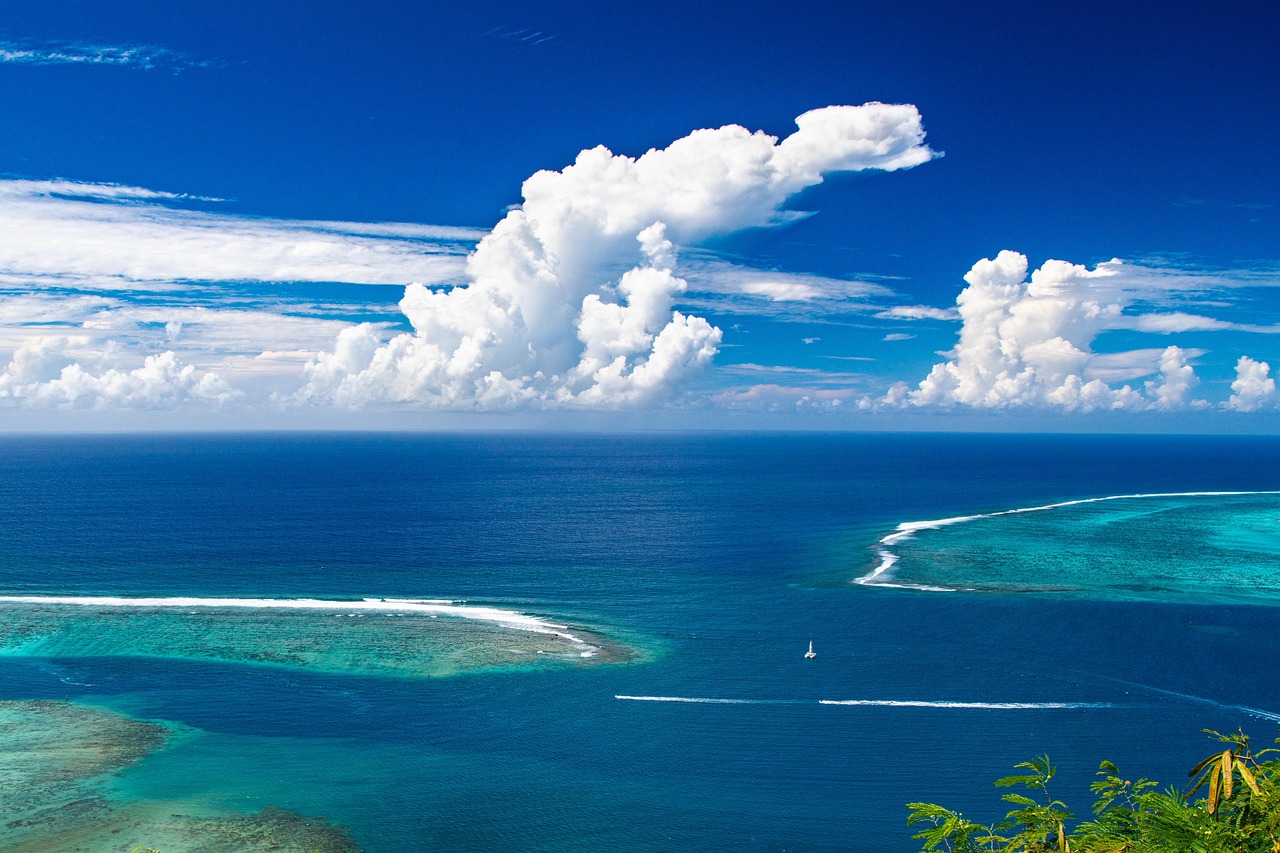
Coral reefs, often hailed as the rainforests of the sea, are astonishingly diverse ecosystems, home to a quarter of all marine life. These vibrant underwater cities provide vital services, from protecting coastlines and supporting fisheries to driving tourism economies. Yet, these ecological powerhouses are facing an existential crisis. Rising ocean temperatures, a direct consequence of climate change, are pushing corals to their limits, leading to widespread coral bleaching events that devastate these delicate communities.
Introduction to Environmental Science
Coral reefs, often called the 'rainforests of the sea,' are among the planet's most biodiverse and productive ecosystems. They provide habitat for a quarter of all marine species, protect coastlines, and support the livelihoods of millions. However, these vital structures are facing an unprecedented crisis primarily driven by anthropogenic climate change, manifesting as rising ocean temperatures. This global phenomenon leads to widespread coral bleaching – a devastating event where corals expel their symbiotic algae, zooxanthellae, resulting in their whitening and often death. In response to this existential threat, scientists are exploring groundbreaking biotechnological solutions, with CRISPR gene-editing technology emerging as a promising tool in the quest to engineer heat-resistant symbionts and enhance reef resilience.
Overview: The Imperative for Intervention
The urgency to protect coral reefs cannot be overstated. Ocean warming events have become more frequent and severe, pushing corals beyond their thermal tolerance limits. The symbiotic relationship between corals and their microscopic dinoflagellate algae, known as zooxanthellae (comprising various species within the family Symbiodiniaceae), is fundamental to reef health. These symbionts reside within the coral's tissues, providing the coral host with vital nutrients through photosynthesis. When stressed by heat, this delicate partnership breaks down, leading to bleaching. While some corals possess natural adaptive capacities, the pace of climate change often outstrips their ability to evolve. This critical bottleneck has prompted researchers to investigate 'assisted evolution' strategies, where gene-editing technologies like CRISPR-Cas9 can accelerate the development of desired traits, such as increased heat tolerance, in these crucial symbionts. The goal is not to replace natural adaptation but to augment it, providing a crucial buffer for reefs under severe climate stress.
Principles & Laws: Unraveling Symbiosis and Genetic Engineering
Understanding the problem and its potential solutions requires delving into the biological principles governing coral-algal symbiosis and the molecular mechanisms of CRISPR. The mutualistic relationship between corals and zooxanthellae is a cornerstone of reef ecosystems. The algae photosynthesize, providing the coral with up to 90% of its energy requirements in the form of sugars and amino acids. In return, the coral offers a protected environment and essential inorganic nutrients. Under heat stress, reactive oxygen species (ROS) accumulate within the symbiont's cells, damaging the photosynthetic apparatus and triggering the expulsion of the algae – the hallmark of coral bleaching.
CRISPR-Cas9 (Clustered Regularly Interspaced Short Palindromic Repeats-CRISPR associated protein 9) is a revolutionary gene-editing tool derived from a bacterial immune system. It functions like molecular scissors, allowing scientists to precisely cut and modify DNA sequences. The system consists of two key components: a guide RNA (gRNA) and the Cas9 enzyme. The gRNA is engineered to match a specific target DNA sequence, guiding Cas9 to that exact location in the genome. Cas9 then makes a double-strand break in the DNA. The cell's natural repair mechanisms attempt to fix this break, which can be exploited to either disrupt a gene (non-homologous end joining, NHEJ) or insert a new DNA sequence (homology-directed repair, HDR) if a template is provided. For enhancing heat resistance in zooxanthellae, researchers aim to identify and modify genes that regulate stress response pathways, antioxidant production, or photosynthetic efficiency, effectively 'tuning' the symbiont's resilience to elevated temperatures.
Methods & Experiments: Targeting Symbiont Resilience
The journey to engineer heat-resistant zooxanthellae involves a multi-step experimental pipeline. First, researchers must isolate and culture various strains of *Symbiodiniaceae* in laboratory settings. These cultures serve as the initial subjects for gene-editing experiments. Identifying suitable target genes for modification is a critical precursor. This involves extensive genomic sequencing of different *Symbiodiniaceae* clades, comparing the genetic makeup of naturally more resilient strains with vulnerable ones. Genes involved in heat shock protein production, enzymatic antioxidant pathways (e.g., superoxide dismutase, catalase), and photosynthetic electron transport efficiency are prime candidates.
Once target genes are identified, the next challenge is efficiently delivering the CRISPR-Cas9 machinery into the tough-walled algal cells. Methods under investigation include electroporation, which uses electrical pulses to create temporary pores in the cell membrane; microinjection, where genetic material is directly injected into individual cells; and potentially viral or nanoparticle-based delivery systems. Following successful delivery, the symbionts are allowed to recover and integrate the genetic modifications. Verification of successful gene editing typically involves PCR amplification and sequencing of the targeted genomic regions.
The engineered symbionts are then subjected to controlled thermal stress experiments. These experiments involve exposing both wild-type and gene-edited *Symbiodiniaceae* cultures to elevated temperatures mimicking marine heatwaves. Scientists measure key physiological parameters such as photosynthetic efficiency (using pulse amplitude modulated, PAM, fluorometry), chlorophyll content, oxygen production rates, and markers of oxidative stress. The ultimate test involves reintroducing the engineered symbionts into aposymbiotic (symbiont-free) coral larvae or juvenile polyps to assess their ability to establish a stable symbiosis and confer enhanced thermal tolerance to the coral host *in hospite*. This step is crucial for validating the ecological relevance of the genetic modifications.
Data & Results: Early Successes and Promising Avenues
While still in its nascent stages, research into CRISPR-edited coral symbionts has yielded encouraging preliminary results. Early studies have successfully demonstrated the feasibility of using CRISPR-Cas9 to induce precise genetic changes in various *Symbiodiniaceae* species in laboratory cultures. Researchers have reported successful knockouts of genes hypothesized to be involved in stress response, and in some instances, the introduction of genetic material designed to enhance antioxidant capacity or improve stress resilience. For example, specific modifications targeting genes related to thermal tolerance have shown that edited symbionts exhibit reduced production of reactive oxygen species and maintain higher photosynthetic rates when exposed to heat stress compared to their wild-type counterparts.
The physiological improvements observed in cultured symbionts are a vital step, but the true measure of success lies in their ability to integrate with coral hosts and protect them from bleaching. Early data from experiments involving the introduction of engineered symbionts into coral larvae have indicated that these modified algae can indeed colonize the coral tissues. Crucially, some of these coral-symbiont complexes have demonstrated a higher resistance to thermal stress, manifesting as reduced bleaching susceptibility and improved survival rates under elevated temperatures. These results, while largely confined to laboratory and mesocosm settings, provide compelling proof-of-concept for CRISPR's potential in bolstering reef resilience. Challenges remain in consistently achieving stable, long-term symbiosis with complex coral hosts and ensuring the engineered traits are robust under varying environmental conditions.

Applications & Innovations: Rewriting the Future of Reefs
The successful development of heat-resistant zooxanthellae opens up several innovative applications for coral reef conservation. One primary application is a 'probiotic' approach: culturing and introducing these engineered symbionts to vulnerable coral reefs. This could involve dispersing them over affected areas or inoculating coral nurseries with the modified algae before outplanting the corals onto natural reefs. This method represents a form of 'assisted evolution,' accelerating the natural adaptation processes that might otherwise take millennia. Beyond heat resistance, CRISPR could be leveraged to engineer symbionts for resistance to other stressors, such as ocean acidification, disease pathogens, or pollution tolerance, creating multi-trait resilient symbiotic partnerships.
Another innovative avenue is the development of 'coral probiotics' where engineered beneficial microorganisms (not just symbionts) are used to enhance coral health. The precision of CRISPR allows for highly targeted interventions, minimizing off-target effects. This technology could also be integrated into broader reef restoration efforts, complementing traditional methods like coral gardening and larval seeding with a genetic toolkit to ensure the resilience of newly established coral populations. The long-term vision is to create a robust genetic buffer that buys corals time to adapt to a rapidly changing climate, thereby preserving these invaluable ecosystems.
Key Figures: Pioneers in the Coral CRISPR Frontier
The field of CRISPR for coral reef resilience is a collaborative effort involving marine biologists, geneticists, and bioengineers from institutions worldwide. Researchers at prominent marine science institutes, such as the Australian Institute of Marine Science (AIMS), the Woods Hole Oceanographic Institution, and various universities globally, are at the forefront of this pioneering work. Scientists like Dr. Madeleine van Oppen, Dr. Christian Voolstra, and their respective teams have been instrumental in pushing the boundaries of coral genetic engineering and assisted evolution, laying the groundwork for many of the techniques and concepts discussed herein. Their combined efforts are driving the innovation and ethical considerations necessary for deploying such powerful tools in environmental conservation.
Ethical & Societal Impact: Navigating Uncharted Waters
The application of CRISPR in environmental contexts, particularly in ecosystems as complex and sensitive as coral reefs, raises profound ethical and societal questions. Concerns about 'playing God' and altering natural ecosystems are prominent. The potential for unintended consequences, such as the engineered symbionts outcompeting native strains, impacting non-target species, or spreading beyond their intended release zones, requires rigorous assessment. Public acceptance and engagement are critical; transparent communication about the benefits, risks, and monitoring strategies will be essential for gaining societal buy-in for such interventions.
Currently, regulatory frameworks for genetically modified organisms (GMOs) are primarily designed for agriculture and human health, not for environmental release into open systems like oceans. Developing appropriate national and international regulations that balance innovation with environmental protection is a significant challenge. Robust risk assessment protocols, long-term monitoring plans, and adaptive management strategies must be established before any large-scale deployment. The decision to intervene genetically in natural ecosystems demands careful consideration, relying on interdisciplinary collaboration between scientists, ethicists, policymakers, and local communities.
Current Challenges: Bridging the Lab-to-Reef Gap
Despite the promising advances, numerous challenges remain in translating laboratory successes into viable reef-scale solutions. Scaling up the production and delivery of engineered symbionts to vast reef areas is a monumental logistical and financial hurdle. Efficiently introducing these modified algae into established coral colonies, which are already colonized by existing symbiont communities, presents a biological challenge, as existing symbionts may resist replacement. The genetic stability of the engineered traits under diverse and fluctuating environmental conditions is another concern; will the modifications remain effective and stable over generations in the wild?
The immense genetic diversity of both coral species and their symbionts means that a 'one-size-fits-all' approach is unlikely to succeed. Tailoring genetic interventions to specific coral hosts and local environmental contexts adds complexity. Furthermore, securing adequate, sustained funding for long-term research, development, and deployment, alongside establishing supportive policy frameworks, is crucial. Without addressing these challenges, the full potential of CRISPR for reef resilience may remain confined to experimental settings.
Future Directions: Towards a Resilient Reef Future
The future of CRISPR in coral reef conservation involves several exciting directions. Researchers are exploring precision genome editing techniques to make even more targeted and subtle modifications, potentially 'tuning' gene expression rather than merely knocking out genes. The integration of artificial intelligence and machine learning will likely play a significant role in identifying optimal gene targets and predicting the ecological impacts of engineered organisms. Multi-trait engineering, combining heat resistance with enhanced disease resistance or tolerance to ocean acidification, is also a promising avenue. Ultimately, CRISPR will be one tool in a broader toolkit for reef conservation, working in concert with traditional restoration, marine protected areas, and global efforts to mitigate greenhouse gas emissions. The aim is to create a future where coral reefs can adapt and thrive despite the profound impacts of climate change.
Conclusion: A Glimmer of Hope for Our Oceans
The existential threat of climate change to coral reefs demands urgent and innovative solutions. CRISPR gene-editing technology, by offering the ability to engineer heat-resistant zooxanthellae, presents a powerful scientific pathway to bolster reef resilience. While significant scientific, ethical, and logistical challenges remain, the initial successes provide a glimmer of hope. Through rigorous research, careful ethical consideration, and collaborative global efforts, CRISPR could play a crucial role in safeguarding these irreplaceable marine ecosystems, ensuring their survival for future generations and preserving the incredible biodiversity they support.