Introduction to Environmental Science
The specter of oil spills looms large over our planet's oceans, threatening delicate ecosystems and livelihoods with each disastrous incident. From the infamous Exxon Valdez to the devastating Deepwater Horizon, these environmental catastrophes leave behind a toxic legacy that can persist for decades. Traditional cleanup methods, such as booming, skimming, and chemical dispersants, often fall short, struggling with vast areas, subsurface plumes, and the sheer logistical nightmare of open-ocean operations. But what if we could enlist nature's microscopic clean-up crew, supercharging their abilities with the precision of modern biotechnology? Enter CRISPR-Cas9, the revolutionary gene-editing tool, poised to open an unseen frontier in environmental remediation: engineering marine bacteria for highly efficient oil spill bioremediation, especially in vulnerable regions like the Gulf Coast.
The Persistent Challenge of Oil Spills
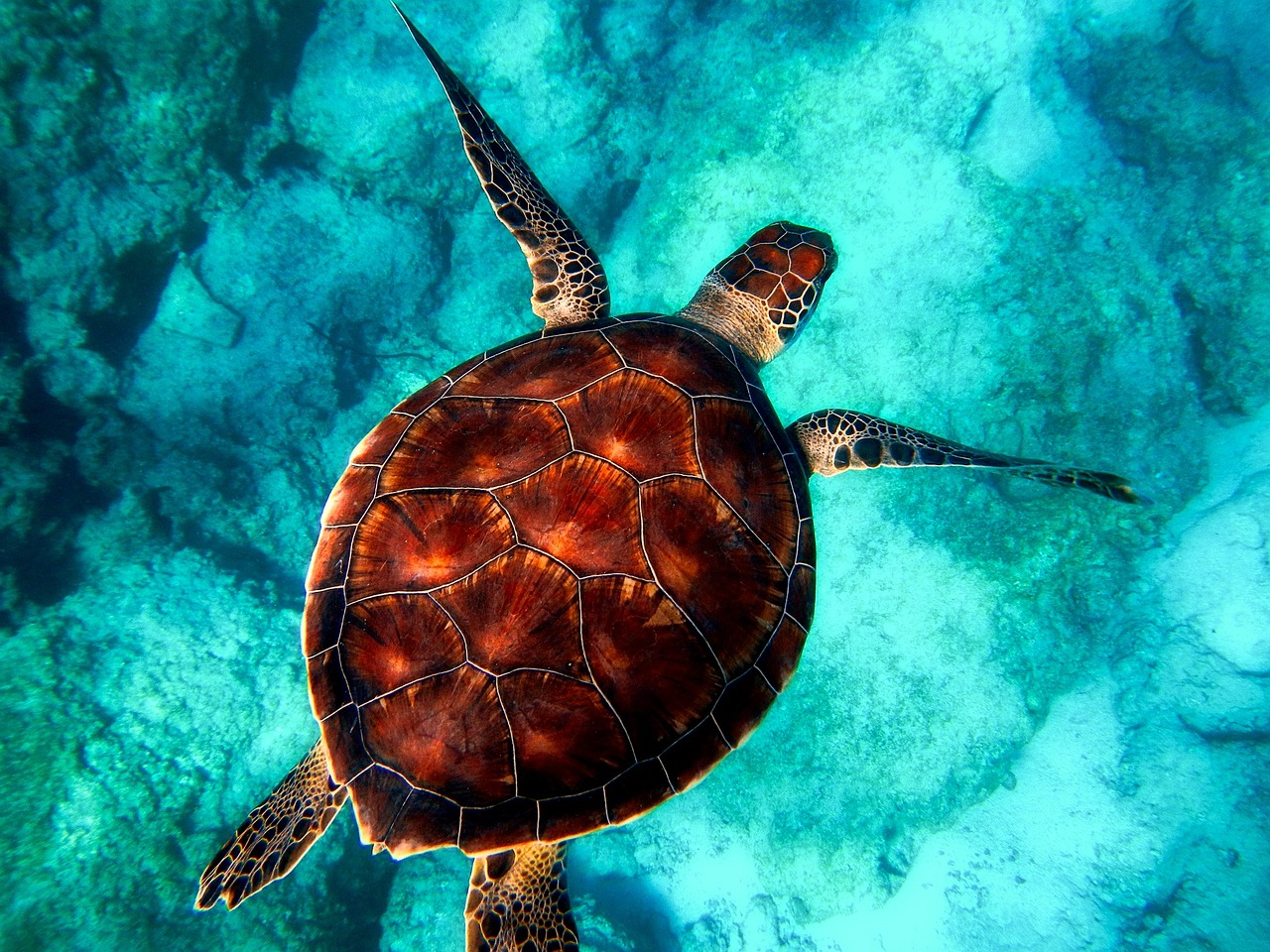
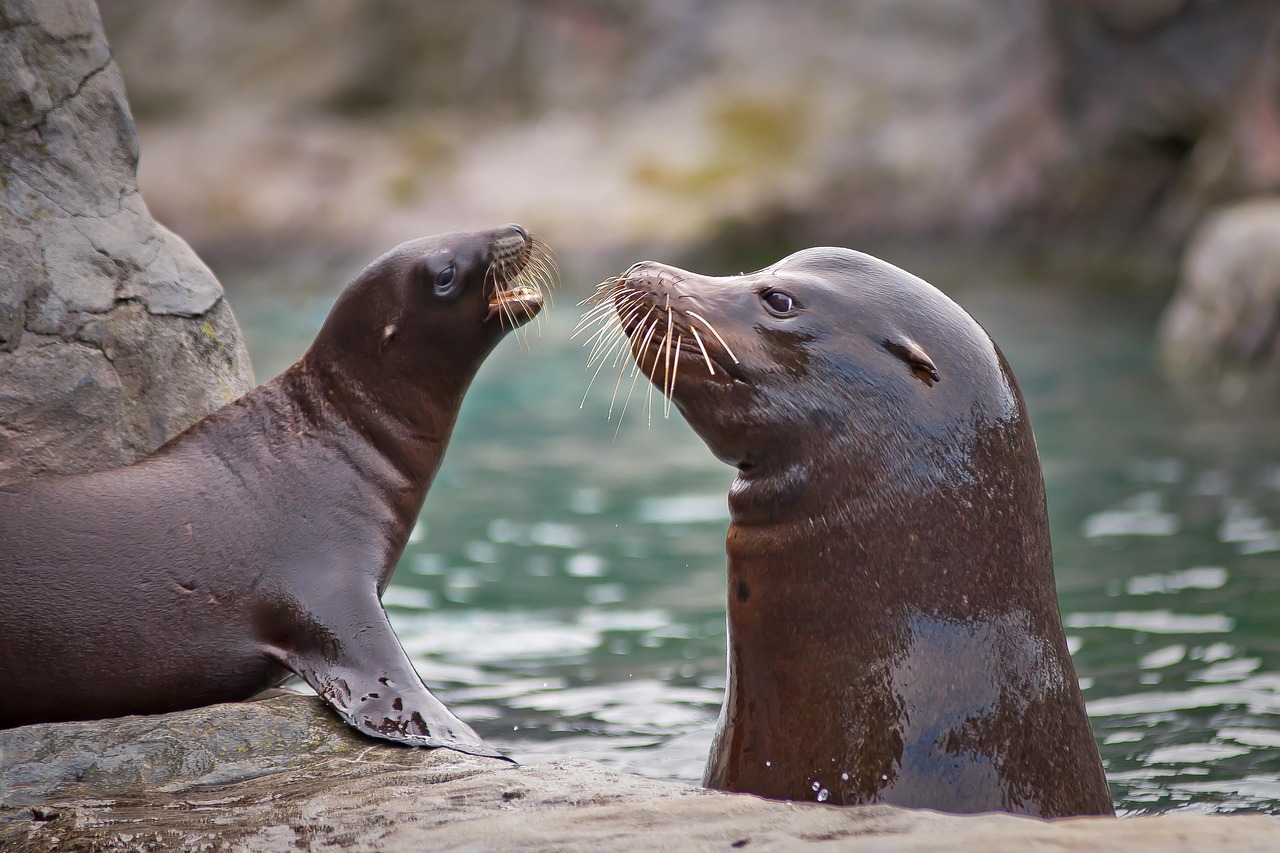
Oil spills introduce a complex cocktail of hydrocarbons into marine environments, with devastating consequences. Crude oil smothers marine life, contaminates food chains, and its toxic components can cause long-term physiological damage to everything from plankton to whales. The Gulf Coast, a region rich in biodiversity and economically reliant on its coastal resources, has been particularly susceptible to these events, facing immense challenges in ecological recovery and economic resilience. The sheer volume and widespread nature of spills often overwhelm conventional responses, making the search for more effective, sustainable solutions paramount.
Bioremediation: Nature's Own Cleanup Crew
Bioremediation offers a promising alternative. This natural process harnesses the metabolic capabilities of microorganisms, primarily bacteria, to break down pollutants into less harmful or inert substances. In the ocean, a diverse array of marine bacteria naturally possess the genetic machinery to metabolize hydrocarbons. After an oil spill, populations of these 'oil-eating' microbes often boom, naturally mitigating some of the damage. However, natural bioremediation is often slow, geographically limited, and dependent on specific environmental conditions like temperature, nutrient availability, and oxygen levels. Its effectiveness can also be hampered by the sheer complexity and recalcitrance of certain hydrocarbon compounds.
CRISPR-Cas9: A New Paradigm for Environmental Solutions
The advent of CRISPR-Cas9 technology has fundamentally changed what's possible in genetic engineering. This precise 'molecular scissor' allows scientists to make targeted edits to DNA, enabling the insertion, deletion, or modification of specific genes with unprecedented accuracy and efficiency. Originally discovered as a bacterial immune system, CRISPR has rapidly become a cornerstone of biomedical research, but its potential extends far beyond the clinic, offering a powerful toolkit for addressing pressing environmental challenges.
Engineering Super-Bugs for Oil Degradation
Imagine marine bacteria custom-designed to be hyper-efficient oil degraders. With CRISPR-Cas9, this is no longer science fiction. Researchers can now consider:
Enhancing Existing Pathways: Many marine bacteria naturally degrade oil, but their pathways might be inefficient or incomplete. CRISPR could be used to optimize the expression of key enzymes involved in hydrocarbon breakdown, accelerating the rate at which oil is metabolized.
Introducing Novel Pathways: Certain bacteria are superior at degrading specific, recalcitrant compounds within crude oil. CRISPR allows for the transplantation of these superior genetic pathways from one bacterial species to another, creating hybrid strains with broader and more potent degradative capabilities.
Improving Stress Tolerance: The marine environment can be harsh, with fluctuating temperatures, salinity, and nutrient levels. Engineered bacteria could be made more resilient, capable of thriving and degrading oil under a wider range of challenging conditions, including nutrient-poor deep-sea environments.
Targeted Activity: CRISPR could enable the creation of 'smart' bacteria whose oil-degrading genes are only activated in the presence of specific hydrocarbons, preventing unintended ecological impacts when oil is not present.
CRISPR-Cas9's Unseen Frontier: Engineering Marine Bacteria For Gulf Coast Oil Spill Bioremediation Biofilm Formation: Enhancing the ability of bacteria to form biofilms on oil droplets or contaminated surfaces could increase their collective degradative power and resilience.
Focusing on the Gulf Coast: Tailored Solutions
The Gulf Coast presents unique challenges and opportunities for CRISPR-enhanced bioremediation. Its warm waters are generally conducive to bacterial activity, but the presence of complex ecosystems, deep-water environments, and varying nutrient levels requires highly adaptable solutions. Engineering indigenous Gulf Coast marine bacteria would be a key strategy, ensuring that the deployed microbes are well-suited to the local environment and less likely to introduce non-native species. Such an approach could involve:
Identifying and isolating dominant, naturally occurring oil-degrading bacteria in the Gulf.
Using CRISPR to enhance their specific degradation pathways for the types of crude oil typically found in the region.
Developing strains that can perform effectively across the Gulf's diverse water depths and temperatures.
Ethical Considerations and the Path Forward
While the potential of CRISPR-Cas9 in bioremediation is immense, its application raises critical ethical and safety considerations. The release of genetically modified organisms (GMOs) into the environment requires rigorous testing and robust regulatory frameworks to ensure they do not disrupt natural ecosystems, outcompete native species, or transfer engineered traits to unintended organisms. Careful risk assessment, containment strategies, and public engagement will be paramount to the responsible development and deployment of this technology.
The path forward involves multi-disciplinary collaboration: molecular biologists, environmental engineers, ecologists, and policymakers working in concert. Pilot projects in controlled environments, followed by small-scale field trials with stringent monitoring, will be essential to validate the efficacy and safety of CRISPR-engineered marine bacteria. Public acceptance, built on transparent communication about the benefits and risks, will also be crucial for the successful integration of this innovative solution into our environmental management toolkit.
Conclusion
The quest for effective oil spill remediation is a persistent global challenge. CRISPR-Cas9 offers a truly transformative approach, moving beyond reactive cleanup to proactive, precision-engineered biological solutions. By harnessing and enhancing the natural capabilities of marine bacteria, we stand on the precipice of an unseen frontier—one where environmental disasters are met with tailored, highly efficient biological responses. For regions like the Gulf Coast, this technology holds the promise of not just cleaning up spills, but of fostering greater ecological resilience and safeguarding our planet's vital marine ecosystems for generations to come. The future of environmental cleanup may well lie in the hands of these microscopic, CRISPR-enhanced heroes of the deep.