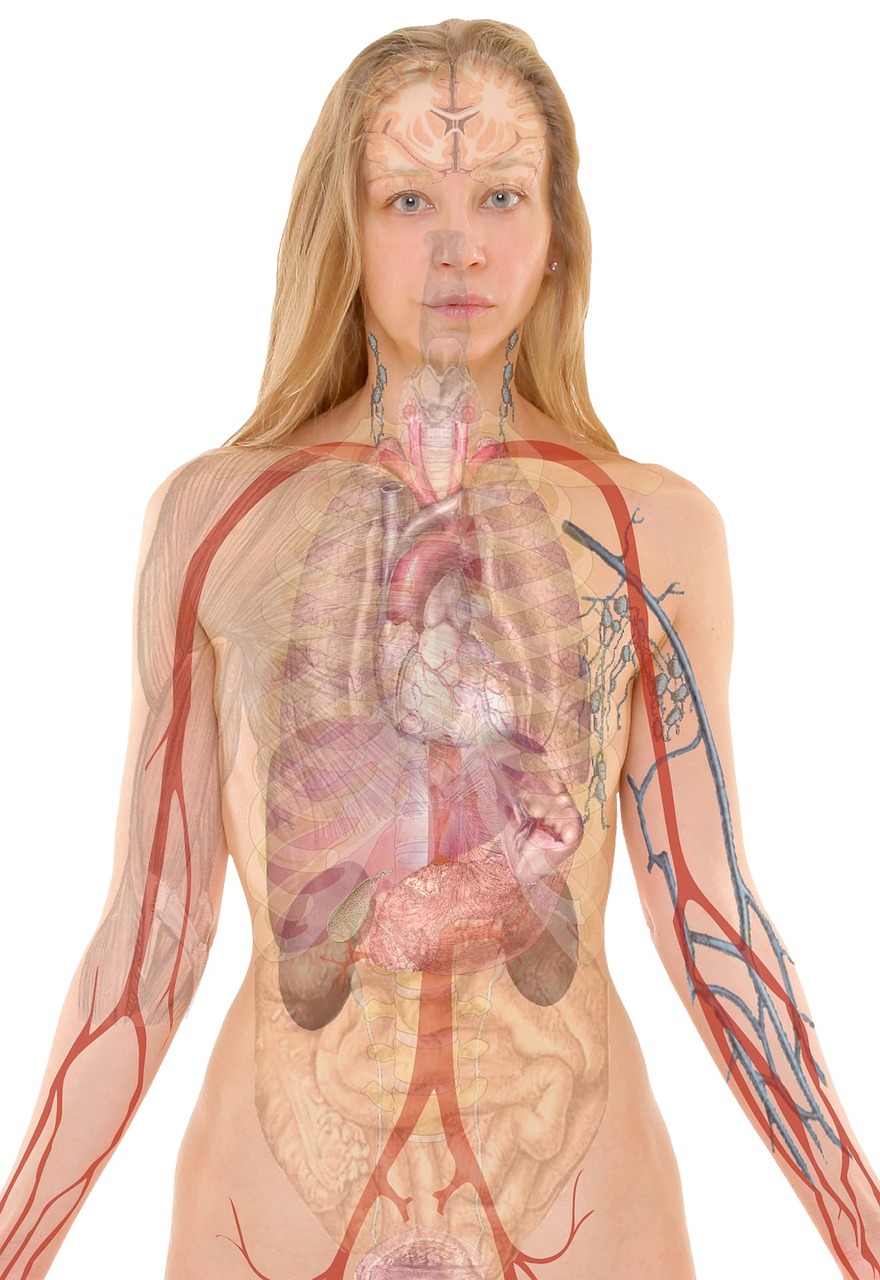
Aging is an inevitable biological process, a complex tapestry woven from countless molecular and cellular changes. Among the most significant contributors to age-related decline are senescent cells – "zombie cells" that have stopped dividing but refuse to die. These cells accumulate in tissues throughout the body, secreting a cocktail of inflammatory molecules known as the Senescence-Associated Secretory Phenotype (SASP). The SASP wreaks havoc on surrounding healthy tissue, driving chronic inflammation, impaired tissue repair, and ultimately, contributing to a host of age-related diseases including cardiovascular disease, neurodegeneration, and cancer.

The quest for healthy longevity, a life free from the debilitating diseases and decline associated with aging, has long captivated humanity. In recent decades, advancements in molecular biology and genetics have transformed this quest from a mythical pursuit into a tangible scientific endeavor. At the forefront of this revolution stands CRISPR-Cas9, a revolutionary gene-editing tool that promises to rewrite the very code of life. While initially celebrated for its precision in correcting genetic defects, CRISPR-Cas9 is now venturing into a new frontier: the intricate process of reprogramming aging cells directly within living organisms (in vivo) to combat the fundamental mechanisms of aging and promote longevity.
This article delves into the profound scientific and technological implications of using CRISPR-Cas9 to target cellular senescence, a critical hallmark of aging, and to induce cellular reprogramming for rejuvenation. We will explore the underlying biological principles, the innovative methods being developed, the promising data emerging from experimental models, and the significant challenges and ethical considerations that accompany such a transformative technology.
Overview: The Promise of Targeted Rejuvenation
Aging is not merely a chronological progression but a complex biological process characterized by a gradual decline in physiological function, increased susceptibility to disease, and reduced capacity for repair and regeneration. A central player in this decline is the accumulation of senescent cells. These 'zombie cells' cease dividing but remain metabolically active, secreting a potent cocktail of pro-inflammatory cytokines, chemokines, and proteases known as the Senescence-Associated Secretory Phenotype (SASP). SASP factors disrupt tissue homeostasis, promote chronic inflammation, and accelerate aging in neighboring healthy cells.
The concept of cellular reprogramming, pioneered by Shinya Yamanaka with the discovery of induced pluripotent stem cells (iPSCs), demonstrated that adult cells could be reverted to an embryonic-like state by expressing a specific set of transcription factors (OSKM: Oct4, Sox2, Klf4, c-Myc). While full reprogramming carries the risk of dedifferentiation and tumorigenesis, partial, transient reprogramming has emerged as a strategy to rejuvenate cells without losing their specialized identity. CRISPR-Cas9 offers an unprecedented level of precision to achieve this partial reprogramming in vivo, potentially turning back the epigenetic clock within aging tissues and organs.
Principles & Laws: Unraveling the Biology of Aging and Gene Editing
The Hallmarks of Aging and Cellular Senescence
Modern geroscience defines aging through a set of interconnected 'hallmarks,' including genomic instability, telomere attrition, epigenetic alterations, loss of proteostasis, deregulated nutrient sensing, mitochondrial dysfunction, cellular senescence, stem cell exhaustion, and altered intercellular communication. Cellular senescence is particularly amenable to intervention due to its distinct molecular signature and detrimental effects.
Senescent cells are characterized by several features:
- Irreversible cell cycle arrest: Primarily mediated by p16INK4a and p21Waf1/Cip1 pathways.
- Resistance to apoptosis: Allowing them to persist and accumulate.
- Senescence-Associated β-galactosidase (SA-β-gal) activity: A common biomarker.
- Altered morphology: Often enlarged and flattened.
- Senescence-Associated Secretory Phenotype (SASP): The key effector of their detrimental impact, driving inflammation and tissue dysfunction.
Accumulation of senescent cells contributes to a myriad of age-related diseases, including cardiovascular disease, neurodegeneration, osteoarthritis, diabetes, and cancer.

The Mechanism of CRISPR-Cas9
CRISPR-Cas9 (Clustered Regularly Interspaced Short Palindromic Repeats and CRISPR-associated protein 9) is a bacterial adaptive immune system repurposed for precise gene editing. Its core components are:
- Guide RNA (gRNA): A synthetic RNA molecule composed of a scaffold sequence and a spacer sequence that is complementary to the target DNA.
- Cas9 enzyme: A DNA endonuclease that unwinds the target DNA and cleaves both strands once it's guided to the specific genomic locus by the gRNA.
Following cleavage, the cell's natural DNA repair mechanisms are activated: Non-Homologous End Joining (NHEJ) often results in small insertions or deletions (indels) that can disrupt a gene, while Homology-Directed Repair (HDR), if a donor DNA template is provided, can be used to insert specific sequences. Beyond basic gene knockout or insertion, advanced CRISPR tools like CRISPR activation (CRISPRa) and CRISPR interference (CRISPRi) utilize nuclease-dead Cas9 (dCas9) fused to transcriptional activators or repressors, allowing for epigenetic modulation without altering the underlying DNA sequence.
Methods & Experiments: Engineering Longevity In Vivo
Applying CRISPR-Cas9 for longevity in vivo requires overcoming significant hurdles, primarily efficient and specific delivery to target cells within complex organisms. Several strategies are being explored:
Targeting Senescent Cells with CRISPR
Researchers are developing multi-pronged approaches to address cellular senescence:
- CRISPR-mediated Senescent Cell Ablation: This involves creating genetic constructs that specifically trigger apoptosis in senescent cells. For example, a suicide gene (e.g., Caspase-8) can be placed under the control of a senescence-specific promoter (e.g., p16INK4a or p21Waf1/Cip1 promoter). CRISPR can be used to engineer this construct directly into the genome of target cells or to activate endogenous pathways that lead to senescent cell clearance.
- Epigenetic Rejuvenation through Partial Reprogramming: Instead of eliminating senescent cells, this approach aims to reverse their aging state. CRISPRa, using dCas9 fused with transcriptional activators, can be engineered to transiently upregulate endogenous Yamanaka factors (Oct4, Sox2, Klf4, c-Myc) or other epigenetic modifiers. The goal is to 'reset' the epigenetic landscape of aging cells, restoring youthful gene expression patterns and cellular function without inducing full pluripotency and its associated risks.
- Targeting SASP Components: CRISPR can be used to knock out or downregulate genes responsible for producing key SASP factors, thereby mitigating the detrimental effects of persistent senescent cells even if they are not fully cleared or reprogrammed.
In Vivo Delivery Mechanisms for CRISPR Components
Delivering CRISPR components (gRNA and Cas9 mRNA/protein) to specific cells and tissues within a living organism is critical. Current strategies include:
- Adeno-Associated Viruses (AAVs): These are highly effective viral vectors capable of transducing various cell types and tissues with relatively low immunogenicity. Different serotypes of AAVs exhibit tropism for specific organs (e.g., AAV9 for brain, liver, muscle).
- Lipid Nanoparticles (LNPs): Non-viral delivery systems that encapsulate nucleic acids (like Cas9 mRNA and gRNA) and can be engineered for targeted delivery, often showing promise for liver and splenic delivery, with ongoing research for other tissues.
- Other Non-Viral Methods: Electroporation, hydrodynamic injection, and polymer-based nanoparticles are also under investigation, offering advantages in terms of safety and scalability but often with lower delivery efficiency in vivo.
Experimental Models
The vast majority of preclinical work is conducted in murine models (mice), often genetically engineered to accelerate aging or to express senescence biomarkers. These models allow for detailed analysis of cellular and physiological changes, including lifespan studies. Increasingly, researchers are exploring non-human primate models to bridge the translational gap to humans, though these studies are complex, expensive, and raise significant ethical considerations.
Data & Results: Glimmers of Rejuvenation
While still in preclinical stages, the initial data emerging from CRISPR-Cas9 based anti-aging interventions are highly promising:

- Senescent Cell Clearance: Studies in progeroid mice models (which exhibit accelerated aging) have shown that targeted removal of senescent cells using genetic tools (including CRISPR-engineered constructs) can significantly extend healthy lifespan, reduce tumor burden, and alleviate age-related pathologies like cataracts, kidney dysfunction, and sarcopenia.
- Epigenetic Reprogramming In Vivo: Pioneering work has demonstrated that transient, partial expression of Yamanaka factors in vivo in mice can rejuvenate various tissues without forming tumors. For instance, gene therapy approaches (often AAV-mediated) delivering OSKM factors have shown improvements in muscle regeneration, kidney function, and cognitive performance in aged mice. This partial reprogramming appears to reset the epigenetic clock, evidenced by changes in DNA methylation patterns towards a more youthful state and a reduction in senescence markers. CRISPRa tools are now being deployed to achieve this with even greater precision, targeting specific subsets of cells or specific epigenetic loci.
- Functional Improvements: Beyond molecular markers, treated animals often exhibit tangible functional improvements. Aged mice receiving partial reprogramming therapies have shown enhanced grip strength, improved motor coordination, better wound healing, and even improved vision in models of retinal degeneration. These functional outcomes are critical for translating findings to human health.
- Reduced Inflammation: A consistent finding is the reduction in chronic low-grade inflammation (inflammaging) associated with aging following senescent cell removal or rejuvenation, indicating a systemic positive effect.
It is important to note that these results are often observed in specific contexts or accelerated aging models. Translating these findings to robust, long-term healthy lifespan extension in naturally aged organisms, and eventually humans, remains a significant challenge.
Applications & Innovations: A Future of Healthy Longevity
The successful application of CRISPR-Cas9 for cellular reprogramming in vivo holds immense therapeutic potential:
- Treating Age-Related Diseases: Direct intervention against aging at its root could offer treatments for a wide range of debilitating conditions, including neurodegenerative diseases (Alzheimer's, Parkinson's), cardiovascular diseases (atherosclerosis, heart failure), metabolic disorders (Type 2 diabetes), musculoskeletal degeneration (osteoarthritis, sarcopenia), and organ failure.
- Prophylactic Anti-Aging Therapies: Beyond treating existing diseases, these technologies could serve as prophylactic measures, delaying the onset of age-related decline and extending the period of health and vitality.
- Precision Longevity Medicine: Tailoring gene-editing interventions based on an individual's unique genetic predispositions and aging biomarkers could lead to highly personalized anti-aging strategies.
- New Drug Discovery Platforms: CRISPR-based screens can identify novel genes and pathways involved in cellular senescence and reprogramming, leading to the development of new small-molecule senolytics or senomorphics.
- Regenerative Medicine: Enhancing the regenerative capacity of aged tissues and organs by rejuvenating resident stem cell populations.
Key Figures: Pioneers in the Field
The breakthroughs described here stand on the shoulders of giants. Key figures include:
- Jennifer Doudna and Emmanuelle Charpentier: Nobel laureates for their foundational work on CRISPR-Cas9 gene editing.
- Shinya Yamanaka: Nobel laureate for the discovery of induced pluripotent stem cells (iPSCs) and the Yamanaka factors, laying the groundwork for cellular reprogramming.
- Manuel Serrano, Juan Carlos Izpisua Belmonte, David Sinclair, and Jan Vijg: Among many other leading geroscience researchers who have contributed significantly to understanding aging mechanisms, cellular senescence, and exploring reprogramming strategies for longevity.
Ethical & Societal Impact: Navigating the Future
The power of in vivo cellular reprogramming for longevity raises profound ethical and societal questions:
- Safety and Off-Target Effects: The primary concern remains the safety of delivering gene-editing tools in vivo, including potential off-target edits, immune responses, and the risk of uncontrolled cell proliferation or tumorigenesis from partial reprogramming.
- Equity and Access: If successful, these therapies could be expensive, exacerbating existing health disparities. Ensuring equitable access will be a significant challenge.
- Societal Implications: A radical extension of human healthy lifespan could reshape social structures, retirement ages, healthcare systems, and potentially lead to concerns about overpopulation or intergenerational equity.
- Human Germline Editing: While current research focuses on somatic cells, the specter of germline editing (altering genes in sperm, egg, or embryos, with changes passed to future generations) looms large, raising intense ethical debates about human enhancement and irreversible modifications to the human gene pool.
Current Challenges: Hurdles on the Path to Longevity
Despite the excitement, several significant challenges must be overcome:
- Delivery Efficiency and Specificity: Achieving widespread, efficient, and cell-type-specific delivery of CRISPR components to all desired tissues and organs in vivo, especially in humans, remains a major bottleneck.
- Safety and Immunogenicity: Long-term safety of viral vectors and the potential for immune reactions against Cas9 protein (which is bacterial in origin) need to be thoroughly addressed.
- Controlling Partial Reprogramming: Precisely tuning the degree and duration of reprogramming to achieve rejuvenation without dedifferentiation, loss of cell identity, or oncogenic transformation is paramount.
- Complexity of Aging: Aging is multifactorial. Intervening in one hallmark, even a critical one like senescence, may not be sufficient to fully halt or reverse the entire aging process. Combinatorial therapies might be necessary.
- Measuring Efficacy in Humans: Establishing robust and universally accepted biomarkers for 'biological age' and rejuvenation in human clinical trials is crucial for evaluating treatment success.
- Regulatory Pathways: The regulatory approval process for novel gene therapies, especially those aimed at extending lifespan, will be complex and require careful consideration.
Future Directions: Pushing the Boundaries
The field is evolving rapidly, with several exciting future directions:
- Next-Generation Gene Editing Tools: Development of 'nickase' Cas9, base editors, and prime editors offers even greater precision and fewer off-target effects, potentially allowing for more subtle and safer epigenetic modifications.
- Enhanced Delivery Systems: Research into novel AAV serotypes, synthetic viral capsids, and non-viral delivery methods (e.g., targeted LNPs, exosome-based delivery) aims to improve tissue specificity, reduce immunogenicity, and increase cargo capacity.
- Combinatorial Approaches: Integrating CRISPR-based reprogramming with other anti-aging interventions, such as senolytics (drugs that selectively kill senescent cells), senomorphics (drugs that modulate SASP), calorie restriction mimetics, or stem cell therapies, could yield synergistic effects.
- Precision and Spatiotemporal Control: Developing inducible CRISPR systems that allow researchers to turn gene editing on and off, or fine-tune its activity in specific cells or tissues, will be critical for safety and efficacy.
- Deepening Mechanistic Understanding: Continued research into the fundamental biology of aging and the precise mechanisms by which reprogramming exerts its rejuvenating effects will inform the design of even more targeted and effective interventions.
Conclusion: A New Era in Longevity Research
CRISPR-Cas9's evolution from a lab curiosity to a powerful tool for in vivo cellular reprogramming represents a monumental leap in geroscience. The prospect of precisely editing the epigenome or eliminating detrimental senescent cells directly within living organisms to promote healthy longevity is no longer science fiction but a rapidly unfolding reality. While significant scientific, ethical, and societal challenges remain, the pace of innovation is accelerating. As researchers continue to refine delivery systems, enhance the precision and safety of gene-editing tools, and deepen our understanding of aging, CRISPR-Cas9 stands poised to redefine what is possible in the quest for a healthier, longer human lifespan, ushering in an unprecedented era of personalized longevity medicine.